0
    Your Basket
    Your basket is empty
      Calculate Shipping
        Order before 12 noon on Mon 22nd Dec for despatch before Xmas. Any orders placed after this will be despatched on our return on 5th of Jan.
        Xmas Hours: We are closed from 12 noon 23rd Dec and re-open 5th Jan.

        Price Match Promise

        Low Trade Prices

        Phone Orders Welcome

        1 to 3 Days Delivery

        Easy Returns

        Black Mould in the UK: Causes, Health Risks, Symptoms & How to Get Rid of It

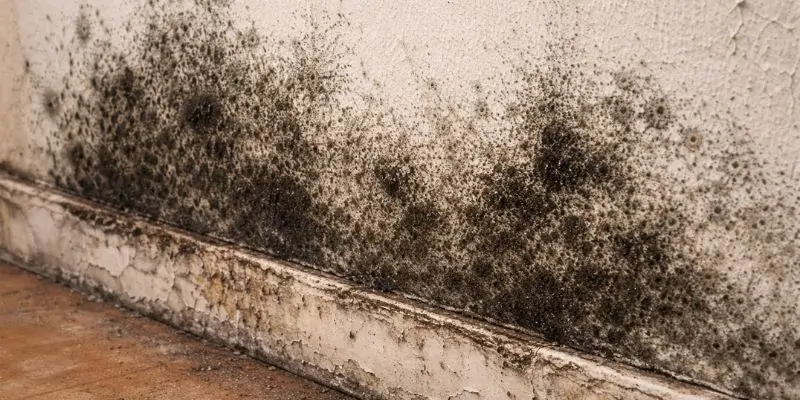
        Black mould growing on a damp internal wall near skirting board

        Black mould is a common problem in UK homes and is almost always a sign of excess moisture, condensation, or poor ventilation. While often dismissed as a cosmetic issue, black mould can affect indoor air quality, damage surfaces, and in some cases contribute to health problems — particularly for children, the elderly, and those with respiratory conditions.

        This in-depth guide explains what black mould is, why it appears, whether it’s dangerous, and how to remove and prevent it properly, with a specific focus on UK housing conditions.

        What Is Black Mould?

        Black mould is a type of fungus that grows in damp, humid environments. It typically appears as dark green or black patches on walls, ceilings, window surrounds, and other cold surfaces where moisture regularly forms.

        In UK homes, black mould is most commonly associated with condensation but can appear due to other underlying damp issues. It thrives in still, moist air and feeds on organic materials such as paint, wallpaper paste, dust, and timber.

        Black mould growing on an internal wall and ceiling due to condensation
        Black mould growing on an internal wall and ceiling due to condensation

        What Causes Black Mould in UK Homes?

        Condensation (The Main Cause)

        Condensation occurs when warm, moisture-laden air comes into contact with cold surfaces. Everyday activities such as cooking, showering, drying clothes indoors, and even breathing release moisture into the air.

        When this moisture has nowhere to escape, it settles on cold walls, windows, and ceilings — creating ideal conditions for mould growth.

        Poor ventilation is therefore one of the most common causes of black mould growth.

        Condensation forming on a cold window
        Condensation forming on a cold window

        Poor Ventilation

        Homes without adequate airflow allow moisture to build up. Blocked air bricks, unused extractor fans, sealed windows, and lack of background ventilation all contribute to black mould problems.

        Cold Spots & Thermal Bridging

        Uninsulated walls, concrete lintels, and poorly insulated window reveals create cold surfaces where condensation forms more easily — even in otherwise well-heated homes.

        Leaks and Damp Problems

        While less common than condensation, leaks from plumbing, roofs, or gutters can also create localised mould growth. If mould appears in one specific area and worsens quickly, further investigation may be needed.

        Where Does Black Mould Commonly Appear?

        Black mould is most often found in areas with high humidity and poor air circulation, including:

        • Around windows and window reveals
        • On external walls
        • In bedrooms (especially behind wardrobes)
        • Bathrooms and kitchens
        • Behind furniture pushed against cold walls
        • On ceilings in poorly ventilated rooms
        Black mould forming around a window due to condensation
        Black mould forming around a window due to condensation

        Signs and Symptoms of Black Mould

        Early signs of black mould include:

        • Small black or dark green spots on walls or ceilings
        • A persistent musty smell
        • Peeling paint or wallpaper
        • Damp patches that darken over time

        Catching mould early makes treatment far easier and reduces the risk of spread.

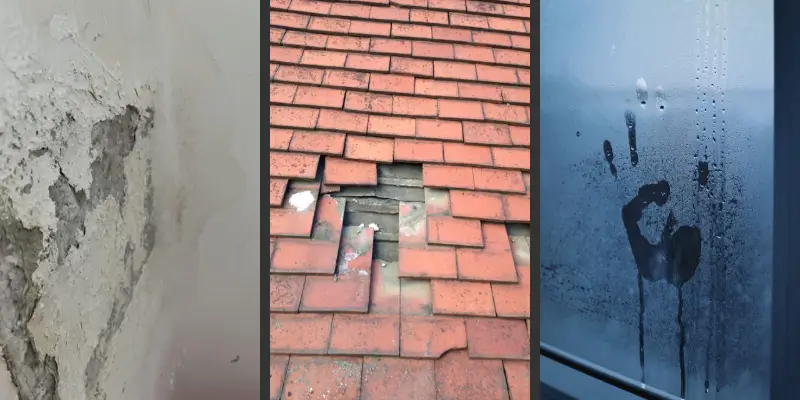
        Early signs of black mould can include peeling wall papers and peeling paint.
        Early signs of black mould can include peeling wall papers and peeling paint.

        Is Black Mould Dangerous? (Health Risks Explained)

        Yes, black mould (like Stachybotrys chartarum) is considered dangerous because it produces mycotoxins that can cause health problems by triggering allergies, respiratory issues, and potentially chronic illnesses.

        Long-term exposure can contribute to health problems, particularly in sensitive individuals.

        Respiratory Symptoms

        Exposure to mould spores may worsen:

        • Asthma
        • Chronic coughing
        • Wheezing
        • Shortness of breath

        Allergies and Irritation

        Some people experience:

        • Sneezing
        • Runny or blocked nose
        • Skin irritation
        • Eye irritation

        Risks for Children and Vulnerable People

        Children, the elderly, and people with weakened immune systems may be more affected by poor indoor air quality caused by mould.

        An example of this is; a coronor ruled that in 2020, two-year old Awaab Ishak died from a respiratory condition caused by exposure to mould in his home.

        UK guidance increasingly recognises mould as a housing health issue, not just a cosmetic one.

        Black Mould and UK Law (Landlord Responsibilities)

        Under current UK housing standards — including Awaab’s Law — landlords are required to address serious damp and mould hazards within specific timeframes.

        Landlords may be responsible where:

        • Mould is caused by structural defects
        • Ventilation is inadequate
        • Repairs have been delayed

        Tenants should report mould issues promptly and keep photographic records.

        How to Remove Black Mould Safely

        Treating Small Areas (DIY)

        For light mould growth:

        This only treats surface mould, not the cause.

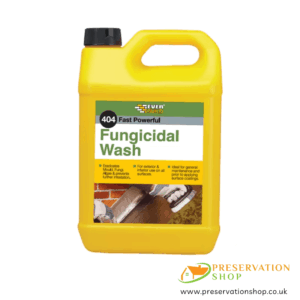
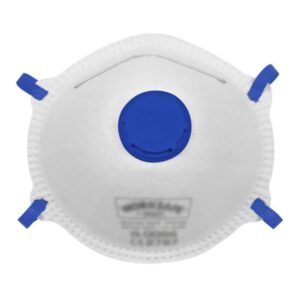
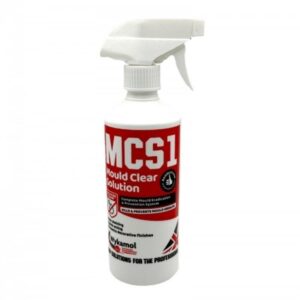
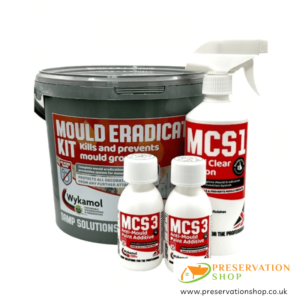
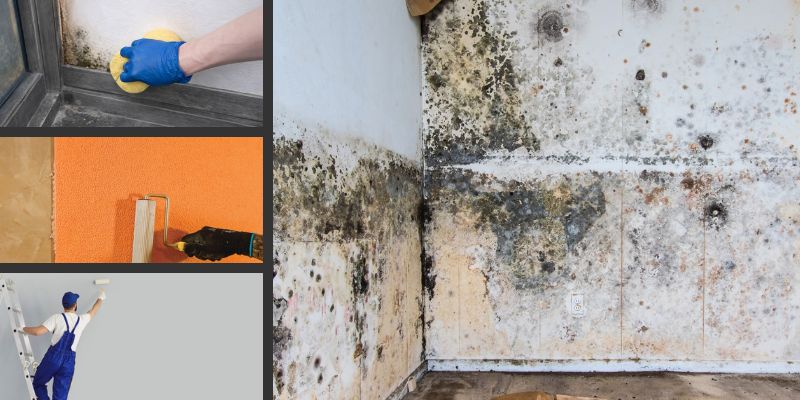
        Some of the products we offer to assist with cleaning mould can be seen below:

        Why Black Mould Keeps Coming Back

        If condensation and moisture remain, mould will return — often within weeks.  You need to tackle the root causes of excessive moisture.

        Long-term prevention is more important than repeated cleaning.

        How to Prevent Black Mould Long-Term

        Effective prevention focuses on moisture control, not just cleaning:

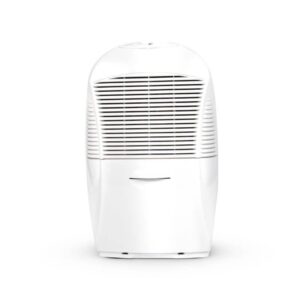
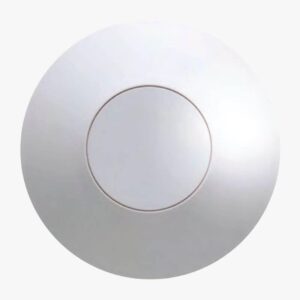
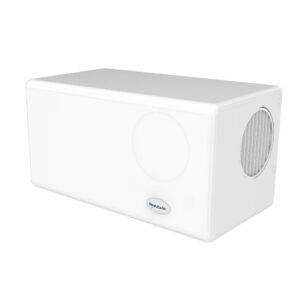
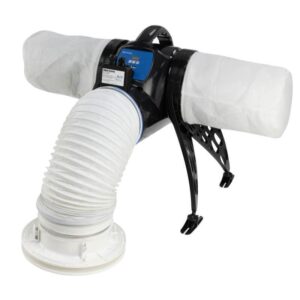
        Dehumidifiers, mould treatments, insulation and ventilation solutions such as PIV units and extractor fans can support long-term prevention when used correctly.

        You can see some of the items we sell below that can help you improve ventilation to combat black mould by helping you improve ventilation to reduce moisture in the air and to improve insulation within your property.

        When to Call a Professional

        You should consider professional help if:

        • Mould is widespread or persistent
        • You suspect underlying damp problems
        • Health symptoms are worsening
        • The property is rented and unresolved
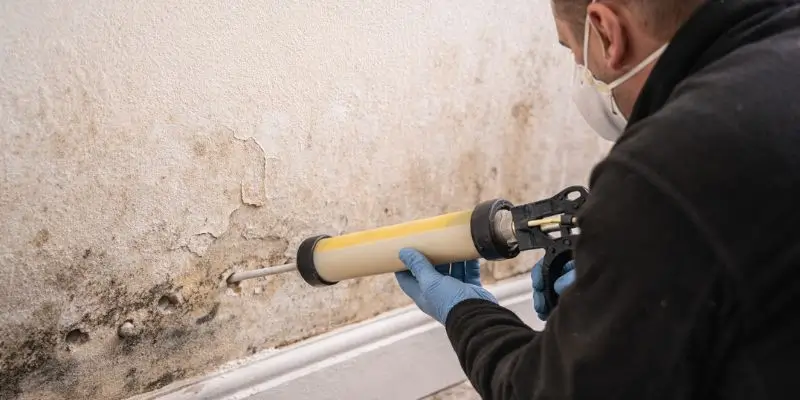
        Damp specialist carrying out a chemical damp proof course injection
        Damp specialist carrying out a chemical damp proof course injection

        Frequently Asked Questions About Black Mould (UK)

        Black mould can arise due to other damp issues such as rising damp and leaks however it is usually caused by condensation.

        Yes, it can worsen respiratory conditions and allergies, particularly with prolonged exposure.

        Yes, some people experience respiratory symptoms, headaches, or allergic reactions.

        By removing the mould and fixing the underlying moisture problem.

        It indicates excess moisture, but not always structural damp.

        Often yes, especially where ventilation or repairs are inadequate. Lifestyle can play a major factor also so always ensure you properly ventilate your property and keep extractor fans turned on where you have them.

        They help control moisture but should be part of a wider solution.

        Bleach may lighten stains but often fails to address mould roots.

        Because the moisture source has not been resolved.

        Yes — due to reduced ventilation and colder surfaces.

        Yes, especially on cold external walls with restricted airflow. Move furniture away from walls slightly to help increase airflow.

        Yes — airtight construction can increase condensation risk without adequate ventilation.

        Final Thoughts

        Black mould is a symptom, not the problem itself. Treating it properly means understanding moisture, ventilation, and how UK homes behave throughout the year. By tackling the root cause, black mould can be prevented long-term — improving both property condition and indoor air quality.

        Need Professional Help With Black Mould or Damp?

        While small or early mould problems can sometimes be managed with the right products and preventative steps, persistent or recurring black mould often indicates an underlying damp or condensation issue that needs professional assessment.

        If mould continues to return, appears across large areas, or affects cold external walls, it may be a sign of:

        • Ongoing condensation problems
        • Poor ventilation or insulation
        • Structural damp issues such as penetrating damp

        In these situations, professional investigation can help identify the root cause, not just the visible symptoms.

        We hold a register of professionals with experience in diagnosing and resolving damp, condensation, and mould problems in UK properties. If you’re unsure what’s causing black mould in your home, or previous attempts to remove it haven’t worked, getting expert advice can save time, cost, and repeated frustration.

        👉 Get in touch with our team to discuss your situation or arrange a professional assessment.

        Mike Davison - Managing Director of the Preservation Shop

        Article by Mike (CSSW, M.Inst.SSE)

        Mike has over 30 years’ experience in the construction industry & specialises in Building Pathology, remedial works & structural repair.

        Share this post: